Why most Ремонт грузовых автомобилей projects fail (and how yours won't)
Your Truck's Been Down for Three Weeks (And the Bill Just Doubled)
Last month, a logistics company in Ohio watched their flagship Peterbilt sit idle for 23 days. What started as a "simple transmission issue" spiraled into a $14,000 nightmare involving three different mechanics, misdiagnosed problems, and enough downtime to lose their biggest client.
Sound familiar?
Commercial vehicle repairs fail at an alarming rate. Not because the trucks are unfixable, but because the entire approach is broken from day one. Let's talk about why your fleet maintenance keeps going sideways—and more importantly, how to stop bleeding money.
The Real Reasons Heavy Truck Repairs Go Off the Rails
The "We'll Figure It Out As We Go" Trap
Most repair disasters start with a mechanic who dives in without proper diagnostics. They're guessing. Sure, they've got 20 years of experience, but your 2019 Freightliner Cascadia has more computer systems than the space shuttle. That check engine light? It could be one of 47 different sensors.
Here's what actually happens: Shop A replaces the EGR valve ($1,200). Truck runs for two days, same problem. Shop B says it's the DPF filter ($2,800). Still not fixed. Shop C finally runs a proper diagnostic and finds a $90 wiring harness issue that's been the culprit all along.
Parts Roulette
Aftermarket parts can save you 40% upfront. They can also extend your repair timeline by 300% when they fail prematurely or don't fit quite right. I've seen a $400 savings on a turbocharger turn into a $6,000 lesson when it grenaded itself 800 miles later and took the entire intake system with it.
The Communication Black Hole
You drop off your Kenworth on Monday morning. Radio silence until Thursday afternoon when someone casually mentions they're "still waiting on parts" that nobody told you were ordered. Meanwhile, your driver is sitting at home, and that delivery route is being covered by a rental at $300 per day.
Warning Signs Your Repair Is About to Go Sideways
- Vague timelines: "Should be done by end of week" means they have no idea
- No written estimate: If they won't commit to paper, they're keeping options open (to charge you more)
- Can't explain the problem: Any mechanic worth their toolbox can break down what's wrong in plain English
- Won't let you see the truck: Transparency matters. Period.
- Parts discussions happen after work starts: OEM vs. aftermarket should be decided upfront, not when you're already committed
How to Actually Get Your Truck Fixed Right (The First Time)
Step 1: Demand Diagnostic Before Wrenches Turn
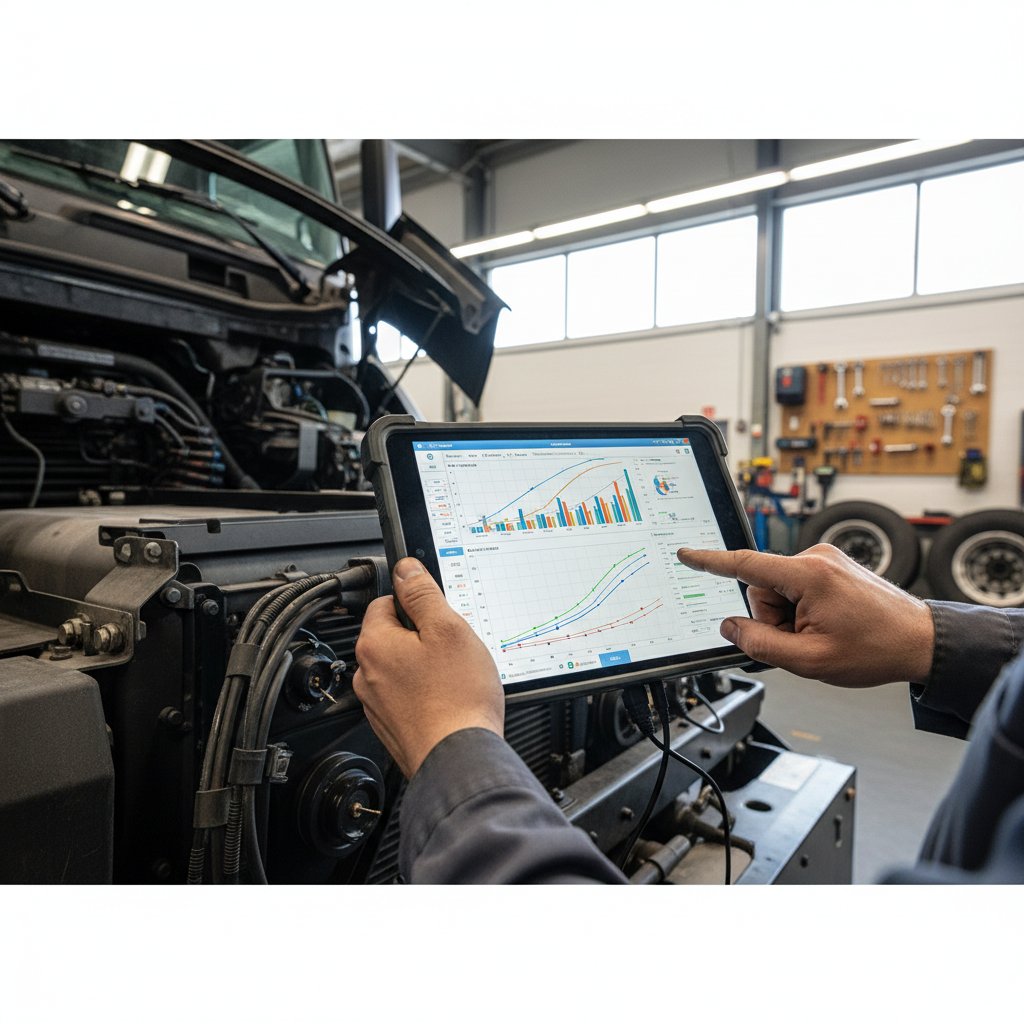
Proper computer diagnostics take 2-3 hours and cost $150-300. This investment pays for itself by eliminating guesswork. A good shop will show you fault codes, explain what each one means, and outline the repair sequence. No diagnosis? Walk away.
Step 2: Get Everything in Writing
Your estimate should include:
- Specific parts needed (with part numbers)
- Labor hours broken down by task
- Realistic completion date with contingencies noted
- Parts warranty terms (90 days? 1 year? Lifetime?)
- What happens if they find additional problems
Step 3: Establish Communication Checkpoints
Set expectations up front. You want a call or text every day by 3 PM with progress updates. If parts are delayed, you hear about it immediately—not three days later. This isn't being difficult; it's protecting a $150,000 asset.
Step 4: Parts Strategy Based on Component
Not all parts deserve OEM pricing. Filters, belts, hoses? Quality aftermarket is fine. Engine internals, transmission components, electrical systems? OEM or premium remanufactured only. A rebuilt Eaton transmission from a reputable supplier can save you $3,000 compared to new while offering the same 2-year warranty.
Step 5: Verify Before Final Payment
Test drive required. Check all functions. Review the completed work order against the original estimate. Any additions should have prior approval documented. Shops that rush you through pickup are hiding something.
Keep Your Fleet Moving: Prevention Tactics
Build a relationship with one solid repair facility before you need emergency work. That way, when your International breaks down 200 miles from home at 11 PM, you've got someone who knows your fleet and will prioritize you.
Keep detailed maintenance records. Knowing that your truck is at 487,000 miles since the last injector service helps mechanics diagnose problems faster and helps you plan for upcoming expenses.
Budget 15-20 cents per mile for maintenance and repairs. Sounds high until you're not scrambling to cover a $8,000 surprise bill.
That Ohio logistics company I mentioned? They switched shops, implemented these protocols, and their average repair time dropped from 8.5 days to 3.2 days. Their maintenance costs actually went up 12%—but their revenue increased 34% because their trucks were actually running.
Your truck isn't making money in a repair bay. Make every hour there count.